




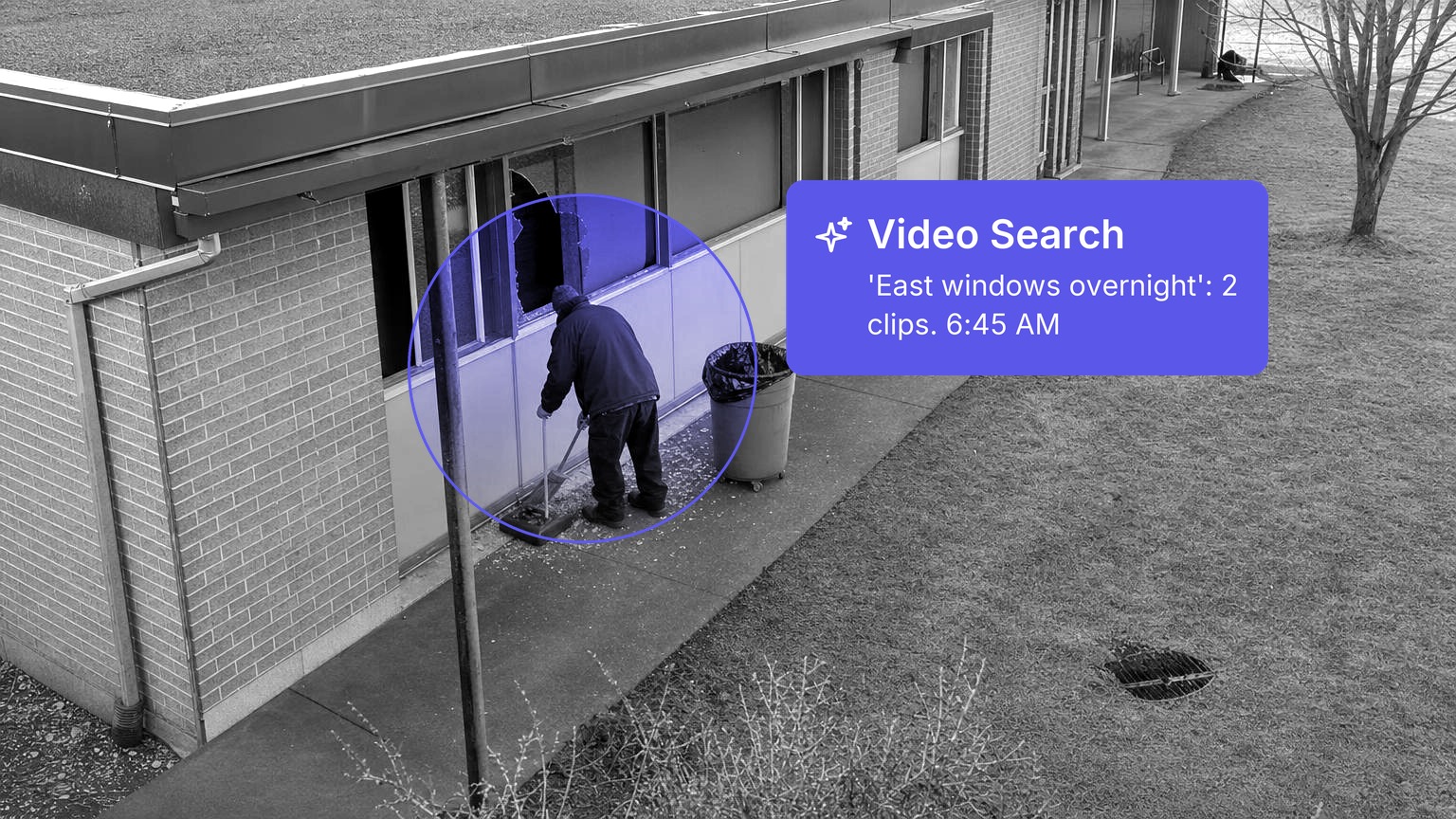


As school safety risks evolve, many U.S. public schools deploy video monitoring to deter incidents, document evidence, and protect staff and students. For schools with sprawling campuses, diverse facilities, and limited IT resources, selecting the right NVR/DVR solution requires balancing security needs with privacy and operational efficiency.
Legacy DVR systems struggle to scale, often requiring manual maintenance and lacking the AI smarts needed for anticipatory incident detection. While newer NVR solutions offer smarter analytics, cloud flexibility, and rapid deployment, their capabilities can vary significantly.
This guide compares the top 7 NVR/DVR offerings for schools in 2025 to help you make a data-driven, forward-thinking decision that supports safety and compliance.
At-a-Glance: Top 7 NVR/DVR Systems for Schools
| System Name | Best For | Key Features | Integration | Flexibility | Storage Type | Notable Pros / Cons |
|---|---|---|---|---|---|---|
| Spot AI | Rapid deployment, AI analytics, hybrid cloud | AI video analytics, 4K support, easy search, system live in <1 week | Works with most IP cameras | Highly scalable | Hybrid (on-prem + cloud) |
Pros: Fast setup, intuitive dashboard, low TCO. Cons: Requires stable network for cloud features |
| Verkada | Cloud-first, low maintenance | Federated search, people analytics, 365-day retention | Closed ecosystem | Plug-and-play | Hybrid |
Pros: Minimal IT lift, auto-updates. Cons: Limited 3rd-party camera support, subscription required |
| Avigilon | High-quality video evidence, privacy-focused | Appearance Search, 432TB storage, emergency sharing | Open API, VMS | Modular, enterprise | On-prem + cloud |
Pros: Powerful analytics, privacy controls. Cons: High upfront cost, complex deployment |
| Axis Comm. | Compliance, legacy integration | Zipstream compression, Lightfinder, vandal-proof cameras | ONVIF, open | Flexible | On-prem + cloud |
Pros: Interoperable, reliable. Cons: Premium pricing, advanced setup |
| Hanwha Techwin | Harsh environments, multisite | WiseStream II, 180° multisensor, 5-yr warranty | Milestone VMS | Commercial/edu | On-prem |
Pros: Durable, wide FOV. Cons: Higher bandwidth needs, on-prem focus |
| Honeywell | Full integration, enterprise districts | AES-256 encryption, lockdown automation, fire/door integration | Proprietary, open | Bundled solutions | On-prem + cloud |
Pros: Unified safety stack. Cons: Premium price, recurring analytics fees |
| Hikvision | Cost-sensitive, high channel count | DeepinMind AI, ColorVu night vision, AcuSense | Vertically integrated | Scalable | On-prem + cloud |
Pros: Affordable, strong AI. Cons: Privacy concerns, less transparent pricing |
Deep dives: 2025’s best NVR/DVR systems for schools
Spot AI
- Core Technology Capabilities and Specifications:
Spot AI delivers hybrid NVRs powered by advanced video AI. The platform supports 4K IP cameras, real-time alerts, and intuitive search—making it easy to find the right clip quickly. The system detects unusual activity, safety hazards, and security events, converting video into operational data that improves both security and efficiency. - Implementation Requirements and Timeline:
Spot AI’s camera-agnostic design works with most ONVIF-compliant cameras, so you can reuse existing infrastructure. Setup is plug-and-play: most schools are live in under a week, with minimal IT involvement. - Total Cost Considerations:
Spot AI’s hybrid architecture reduces maintenance expenditures by reducing on-prem hardware needs and automating updates. Subscription pricing is transparent, with no hidden fees for analytics or storage expansion. Schools report up to 50% lower total cost of ownership compared to legacy DVRs, thanks to fewer technician visits and longer hardware lifespan. - Integration Capabilities with Existing Systems:
Spot AI integrates easily with access control, alarms, and other building systems via open APIs. The dashboard centralizes all locations, making it simple for administrators to monitor, search, and share footage securely. - Target Use Cases and Industry Applications:
Spot AI excels in deterring vandalism, monitoring for safety compliance, and emergency response. AI-powered alerts help staff intervene before incidents escalate, while powerful video search accelerates evidence retrieval for investigations and compliance.
Verkada
- Core Technology Capabilities and Specifications:
Verkada offers cloud-managed NVRs with built-in video AI, people detection, and federated search across multiple campuses. Cameras provide 365-day local retention and tamper-proof storage. - Implementation Requirements and Timeline:
Implementation is fast—plug-and-play appliances require no port configuration. Most schools are up and running in days, with minimal on-site work. - Total Cost Considerations:
Verkada uses a subscription model ($199–$399 per camera/year), covering updates and cloud backup. The model can reduce maintenance spending by minimizing on-site hardware and technician visits. - Integration Capabilities with Existing Systems:
Verkada’s closed ecosystem limits integration with third-party cameras but offers reliable internal compatibility with access control and environmental sensors. - Target Use Cases and Industry Applications:
Best for resource-constrained schools seeking easy administration, real-time alerts, and minimal IT overhead.
Avigilon
- Core Technology Capabilities and Specifications:
Avigilon’s NVR5 series delivers high-density storage (up to 432TB) and advanced video analytics, such as Appearance Search, which tracks individuals by clothing and movement rather than facial features to support privacy compliance. - Implementation Requirements and Timeline:
Implementation is modular but can be complex, especially in large districts. Solutions are typically operational within a few weeks, depending on customization. - Total Cost Considerations:
Entry-level systems start around $12,000 for 32 channels. Advanced analytics and integrations add to upfront and ongoing expenditures. - Integration Capabilities with Existing Systems:
Through open APIs and VMS interoperability, Avigilon can connect with emergency notification platforms and first responder systems. - Target Use Cases and Industry Applications:
Ideal for districts needing high-quality video evidence, privacy controls, and integration with emergency workflows.
Axis Communications
- Core Technology Capabilities and Specifications:
Axis pioneered IP cameras and focuses on reliability, with Zipstream compression (up to 50% storage savings) and Lightfinder for low-light performance. Their vandal-resistant domes and RAID-60 storage suit high-traffic, harsh environments. - Implementation Requirements and Timeline:
Axis solutions are ONVIF-compliant and integrate well with legacy hardware. Setup is flexible but may require advanced configuration. - Total Cost Considerations:
Premium pricing (about 25% above industry average) reflects its focus on hardware durability and long-term reliability. - Integration Capabilities with Existing Systems:
Open platform supports third-party VMS and analytics, making Axis a top choice for districts with mixed camera fleets. - Target Use Cases and Industry Applications:
Best for schools with compliance needs, legacy system upgrades, and high vandalism risk.
Hanwha Techwin
- Core Technology Capabilities and Specifications:
Hanwha’s Wisenet X Series features WiseStream II compression (32% bandwidth savings) and multisensor cameras with 180° coverage. Extended 5-year warranties highlight durability. - Implementation Requirements and Timeline:
Hanwha’s systems are commonly deployed in commercial-education hybrid environments. Integration with Milestone VMS streamlines multi-campus management. - Total Cost Considerations:
Upfront costs are moderate, with savings from reduced bandwidth and minimal maintenance needs. - Integration Capabilities with Existing Systems:
Works well with Milestone and other open VMS platforms, supporting flexible scaling. - Target Use Cases and Industry Applications:
Ideal for schools in harsh climates or those needing wide area coverage and rapid incident review.
Honeywell
- Core Technology Capabilities and Specifications:
Honeywell’s MAXPRO NVR PE series delivers AES-256 encryption, dual NIC failover, and automated lockdowns via integration with fire alarms and access controls. - Implementation Requirements and Timeline:
Honeywell typically bundles hardware, installation, and managed services, with deployments taking several weeks for large campuses. - Total Cost Considerations:
Premium pricing is balanced by its extensive safety integration. Analytics subscriptions run $8–$12 per camera/month. - Integration Capabilities with Existing Systems:
Supports both proprietary and open integrations, unifying video, fire, and access control systems. - Target Use Cases and Industry Applications:
Best for large districts seeking a unified safety stack and automated emergency response.
Hikvision
- Core Technology Capabilities and Specifications:
Hikvision’s DeepinMind NVRs deliver edge-based video AI, full-color night vision (ColorVu), and AcuSense object classification to minimize false alarms. - Implementation Requirements and Timeline:
On-premise appliances require traditional cabling and setup, with optional cloud backup for redundancy. - Total Cost Considerations:
Hikvision offers a cost-effective solution, especially for installations requiring a high channel count. - Integration Capabilities with Existing Systems:
Vertically integrated, but offers basic compatibility with other systems. - Target Use Cases and Industry Applications:
Suited for cost-sensitive districts needing scalable coverage and basic video analytics.
Take action: Secure your school’s future with Spot AI
Choosing the right NVR/DVR platform is a key investment in your school’s safety, reputation, and operational future. Spot AI empowers schools to move beyond reactive video review and unlock forward-looking security and efficiency, all with rapid deployment and minimal IT lift. Ready to see how video AI can enhance security on your campus? Book a demo today and let’s build a safer, smarter school together.
Frequently asked questions
What’s the difference between NVR and DVR solutions for schools?
NVRs use IP cameras and network infrastructure, supporting higher resolutions, video AI, and remote management. DVRs rely on analog cameras and coaxial cables, limiting scalability and smart features. Schools today increasingly prefer NVRs for their flexibility and long-term viability.
How does video AI improve school security?
Video AI allows for the real-time detection of unusual behavior, unauthorized access, and safety incidents. This anticipatory approach helps staff intervene before issues escalate and speeds up investigations with searchable video evidence.
Can I use my existing cameras with a new NVR platform?
Many leading NVRs, including Spot AI and Axis, are camera-agnostic and support ONVIF-compliant devices—so you can upgrade your recording and analytics without replacing every camera.
What’s the typical total cost of ownership for a new NVR solution?
Schools report 30-50% lower total cost of ownership compared to legacy DVRs, thanks to reduced maintenance, longer hardware lifespan, and fewer technician visits. Subscription models often include analytics and updates, making budgeting easier.
How do these platforms address privacy concerns in schools?
The best NVR systems offer privacy features like masking, role-based access, and analytics that avoid facial recognition. Transparent policies and parental notification are essential for compliance and community trust.
About the author
Mike Polodna is Head of Customer Success at Spot AI, specializing in helping schools and organizations maximize the value of video AI solutions. With deep expertise in system implementation and operational best practices, Mike is passionate about helping organizations turn their cameras into AI teammates that create safer, more efficient environments.

