




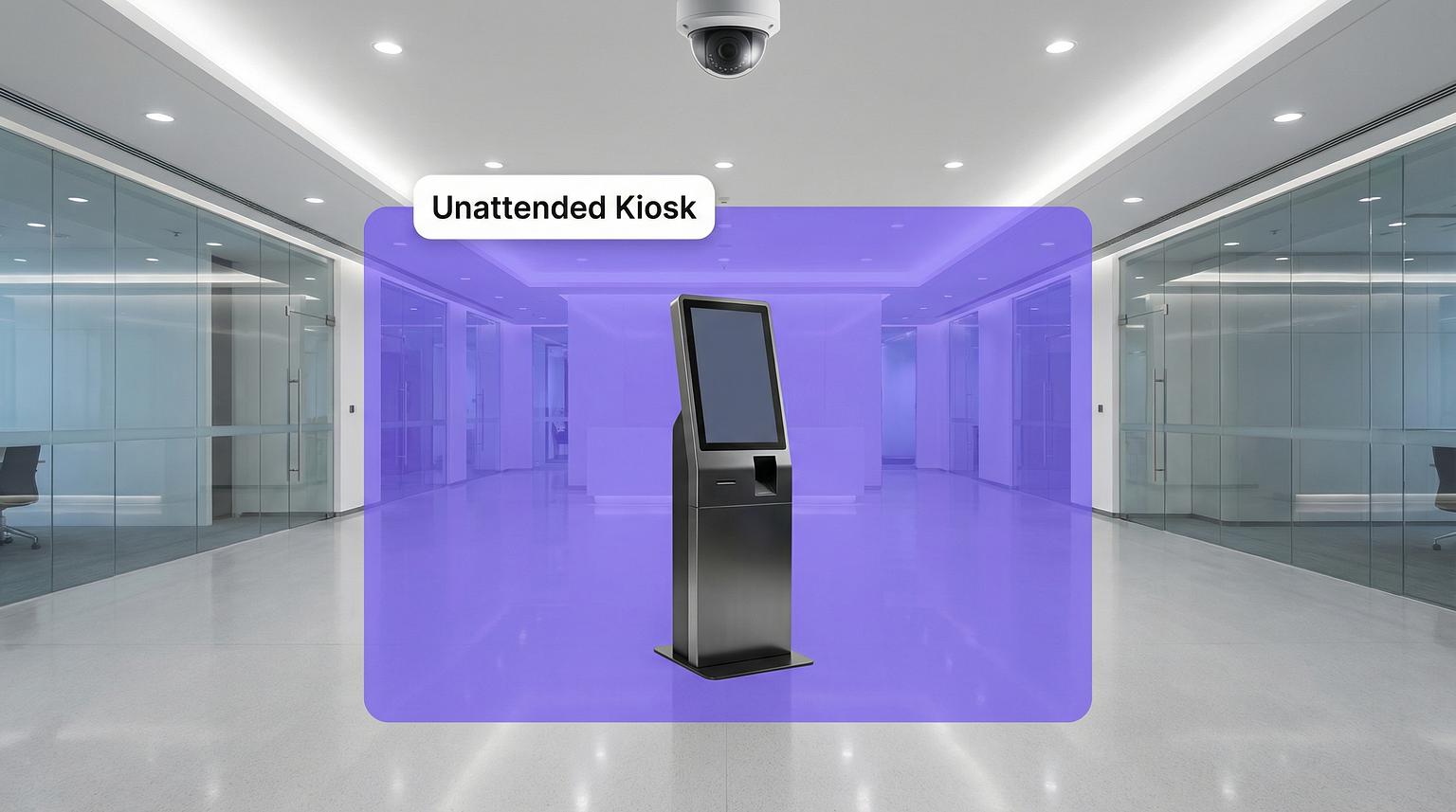


The protection of high-value assets in retail has shifted from a reliance on physical presence to the strategic application of intelligence. For regional loss prevention managers overseeing portfolios of 20 to 40 stores, the hurdle is not just theft—it is the impossibility of being everywhere at once. Locked cabinets containing high-shrink items, self-checkout kiosks, and cash rooms represent critical vulnerability points that require constant vigilance. Yet, traditional video security often fails these assets by simply recording incidents for later review rather than enabling real-time intervention.
This is where "absence" analytics transforms the landscape. Unlike standard motion detection that floods operation centers with false alarms, absence analytics uses computer vision to understand the baseline state of an environment—a closed cabinet, a staffed register, or a secure kiosk—and sends notifications only when that state is compromised. By turning cameras into intelligent teammates, retail leaders can safeguard their most sensitive infrastructure without increasing headcount.
Key terms to know
- Absence analytics: A category of video analytics that monitors for the lack of an expected object or condition (e.g., a cashier missing from a workstation) or a deviation from a baseline state (e.g., a locked cabinet door that is no longer closed). It identifies missing, removed, or compromised objects within defined spaces.
- Video AI agents: Intelligent software modules that process video data to detect specific behaviors or anomalies, acting as a "digital force multiplier" for human teams by surfacing only relevant events.
- Exception-based reporting (EBR): A data analysis technique that flags outliers in transaction or operational data, such as excessive refunds or voided transactions, often correlated with video evidence to identify internal theft.
- Edge processing: The capability of cameras or local devices to process video analytics on-site rather than sending all data to the cloud, enabling faster notifications and reduced bandwidth usage.
The operational gap in protecting retail infrastructure
Regional LP managers face a persistent operational gap: the reliance on manual checks and reactive video review. Traditional security protocols often depend on periodic physical inspections or inventory audits to verify the integrity of locked cabinets and kiosks. This approach leaves vast windows of time where assets are vulnerable. If a cabinet is forced open or a kiosk is tampered with between checks, the loss may not be discovered until the next audit, by which time the trail is cold.
Legacy camera systems exacerbate this issue by generating excessive noise. Standard motion detection alerts whenever pixel changes occur, meaning a customer walking past a locked cabinet triggers the same alert as a crowbar attack. This high false-alarm rate leads to alert fatigue, causing security personnel to ignore notifications and miss genuine threats. For teams stretched thin across multiple locations, sifting through hours of footage to find a needle in a haystack is not a viable strategy.
How absence analytics secures locked cabinets and kiosks
Absence analytics addresses these pain points by establishing a "normal" baseline for critical infrastructure and alerting only on deviations. This technology employs computer vision models trained to recognize the specific visual signatures of security and operational integrity.
- Baseline establishment: The system learns what a protected area looks like—a cabinet door is flush with the frame, a kiosk panel is intact, and merchandise is fully stocked.
- Anomaly detection: Instead of alerting on motion, the system flags the absence of the secured state. If a cabinet door is left ajar, the system identifies the geometric deviation. If a cashier leaves a high-risk register unattended, the system identifies the absence of the person.
- Real-time notification: Because these notifications are processed via edge computing, they are generated in seconds. This allows store managers or remote security operations centers (SOC) to intervene—whether by deploying a floor associate to close a cabinet or triggering a voice-down to deter loitering.
This shift from motion-based to state-based monitoring drastically reduces false positives, ensuring that when an LP manager receives an alert, it represents a genuine operational or security anomaly.
Critical use cases for regional LP managers
Implementing absence analytics allows retail leaders to deploy targeted protection strategies for their most vulnerable assets.
1. Protecting high-shrink merchandise cabinets
- Door state monitoring: Identifies if a cabinet door is left open or forced ajar without an authorized associate present.
- Stock depletion: Identifies when shelf space that should be full suddenly becomes empty (absence of product), signaling a potential "sweep" theft event.
- Loitering detection: Flags individuals lingering near high-value cabinets for extended periods, acting as a leading indicator of theft intent before the cabinet is even breached.
2. Protecting self-checkout and service kiosks
- Tamper detection: Monitors for the removal of protective panels or the addition of skimming devices that alter the visual baseline of the machine.
- Unattended service: Signals when a service kiosk that requires an attendant (e.g., for age-restricted sales) is left unmanned, preventing compliance violations and customer service failures.
- Hardware integrity: Verifies that critical components like scanners and screens remain in their correct positions and operational states.
3. Cash room and back-office security
- Door protocol enforcement: Flags if the cash room door is propped open or left unsecured, a common procedural failure that invites robbery.
- Occupancy verification: Ensures that only authorized personnel are present and flags if the room is accessed outside of scheduled cash-handling windows.
- Asset tracking: Monitors the presence of cash bags or count machines to ensure they are stored in designated protected zones when not in use.
Integrating video data for unified investigations
The true power of absence analytics is realized when it is integrated with the broader retail technology stack. By correlating video insights with Point of Sale (POS) and access control data, LP teams can build comprehensive case files in minutes rather than days.
| Integration type | Capability | Operational benefit |
|---|---|---|
| POS Integration | Correlates merchandise "absence" from shelves with transaction logs. | Distinguishes between legitimate sales and theft. If a shelf empties but no sales are recorded, it is a confirmed shrink event. |
| Access Control | Matches video timestamps of cabinet access with keycard or fob logs. | Verifies if the person opening a secure door is the authorized credential holder, flagging stolen credentials or internal collusion. |
| Inventory Systems | Compares visual stock levels with digital inventory records. | Identifies phantom inventory where the system believes items are in stock, but video proves they are absent, triggering automated cycle counts. |
This unified approach allows for exception-based reporting that is visual and data-backed. Instead of reviewing random footage, an LP manager can filter for "Cabinet Open + No Sales Transaction" to swiftly identify theft incidents.
Calculating the ROI of preventative asset protection
For regional managers, justifying the investment in retail loss prevention technology requires demonstrating clear financial impact. Absence analytics delivers ROI through both risk mitigation and operational efficiency.
- Shrinkage reduction: By detecting theft events in real-time and identifying systemic vulnerabilities, retailers can significantly reduce shrinkage rates. For a high-volume retailer, this can translate to hundreds of thousands of dollars in preserved margin annually.
- Investigation efficiency: Intelligent search and automated alerts can drastically reduce investigation time. This frees up LP professionals to focus on strategy and training rather than video scrubbing.
- Labor optimization: Automated monitoring of kiosks and cabinets removes the need for security guards to perform constant physical rounds. This allows retailers to reduce guard hours or redeploy staff to customer-facing roles, optimizing labor spend.
Comparison of detection technologies
Selecting the best video analytics software requires understanding how modern solutions compare to legacy methods.
| Feature | Traditional motion detection | Absence analytics (Video AI) | Spot AI approach |
|---|---|---|---|
| Trigger Mechanism | Pixel changes (any movement). | State changes (object missing/moved). | AI Agents detecting specific behaviors & states. |
| False Alarm Rate | High (triggers on shadows, customers). | Low (triggers only on specific anomalies). | Minimal (filters noise via deep learning). |
| Context Awareness | None. | High (understands "normal" vs. "abnormal"). | Advanced (integrates with POS/Ops data). |
| Response Speed | Reactive (recording only). | Anticipatory (real-time alerts). | Swift (automated deterrence & alerts). |
| Infrastructure | Often requires proprietary cameras. | Software-based, often camera-agnostic. | Plug-and-play with existing IP cameras. |
Moving from reactive recording to preemptive control
For regional loss prevention managers, the goal is clear: control the environment without inhibiting the customer experience. Absence analytics offers a path to secure locked cabinets, kiosks, and cash rooms by turning passive cameras into vigilant defenders. By detecting the absence of security—whether it is an open door, a missing product, or an absent associate—retailers can stop managing incidents and start engineering safer, more profitable outcomes.
"Our business has a kiosk station that should always have a customer service attendant present to help customers through their selections and have a friendly inviting interaction. Spot AI can track the presence of people or lack thereof, and it puts all of the data into an easy to understand chart that can be quickly accessed and shared with the team at any given time to re-direct their focus and increase the customer experience. This description is only a small window of what spot AI provides, the possibilities of other uses are coming up daily, providing great alert systems and security to run a safe healthy business."
— JAMIE M., District Manager, Source: g2.com
See Spot AI in action—request a demo to explore how video AI can help protect your high-value retail assets.
Frequently asked questions
What are the best AI video analytics solutions for retail?
The best solutions are camera-agnostic platforms that offer edge-based processing and specific retail modules like loitering detection, absence analytics, and POS integration. These systems should integrate with existing infrastructure to minimize deployment costs while providing advanced capabilities like people counting and vehicle attribute search.
How can video analytics improve operational efficiency?
Video analytics improves efficiency by automating manual tasks such as queue monitoring, inventory checks, and staffing compliance. By detecting unattended workstations or long lines in real-time, managers can reallocate staff to resolve bottlenecks, improving both throughput and customer satisfaction.
What technologies are effective for loss prevention in retail?
Effective technologies include computer vision for absence detection (identifying missing stock), exception-based reporting (EBR) integrated with POS data, and intelligent video recorders (IVR) that allow for rapid forensic search. These tools move loss prevention from a reactive investigative role to a preventative deterrence model.
How does AI enhance video surveillance systems?
AI transforms surveillance from passive recording to active analysis. It filters out noise like shadows or non-threatening motion, identifies specific objects (people, vehicles, forklifts), and identifies anomalies (open doors, loitering). This allows security teams to focus only on events that require attention, acting as a force multiplier for human staff.
What are the compliance considerations for video surveillance?
Retailers must adhere to data retention laws, privacy regulations regarding biometric data (like facial recognition), and employee notification requirements. Modern video analytics platforms support compliance by offering features like face blurring, role-based access control, and automated audit logs to ensure data is handled securely and legally.
About the author
Sud Bhatija
Sud Bhatija is COO and Co-founder at Spot AI, where he scales operations and GTM strategy to deliver video AI that helps operations, safety, and security teams boost productivity and reduce incidents across industries.

