




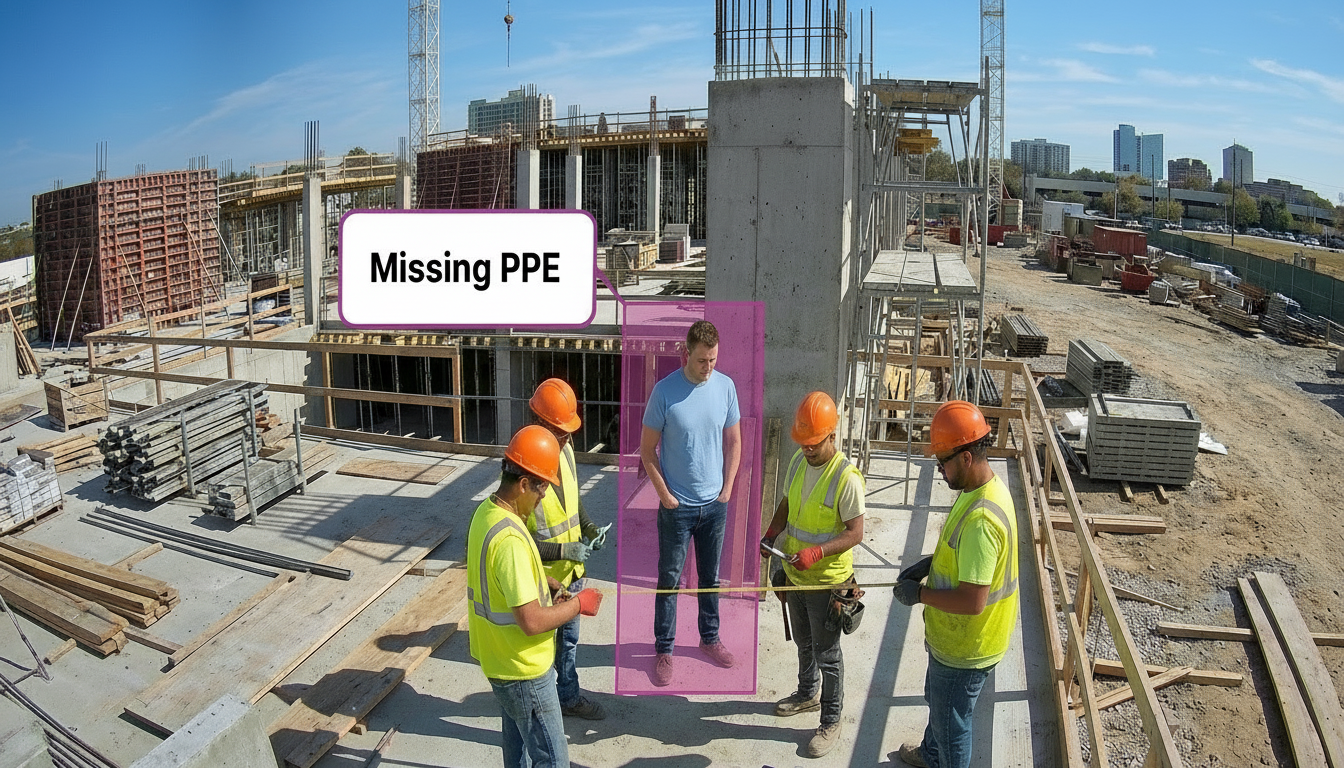


When a safety incident occurs on a construction site, every minute counts. The time between an event and its resolution can determine the difference between a close call and a recordable injury, or a minor issue and a major project delay. For safety professionals, the process of finding what happened and resolving the issue is often a race against time, hampered by disconnected systems, manual data collection, and hours spent reviewing video footage. This reactive cycle is not only inefficient but also costly, impacting everything from insurance premiums to regulatory compliance.
However, meaningful change is underway. By consolidating safety functions into a single, cohesive system, organizations can move from a state of reactive firefighting to proactive risk mitigation. A unified platform helps teams find critical events, analyze root causes, and resolve safety incidents much faster—often in minutes instead of days or weeks. This guide explores how this integrated approach improves incident management for modern construction operations.
The high cost of fragmented safety management
For many safety leaders, the daily reality of incident management involves navigating a maze of disconnected systems. This fragmentation is a primary source of operational friction and a major barrier to rapid incident resolution.
- Incident investigation time drain: When an incident occurs, the investigation often begins with a frantic hunt for information scattered across multiple sources. Safety teams spend days manually compiling data from paper forms, spreadsheets, separate training logs, and siloed video recorders. These administrative tasks pull focus from high-value initiatives focused on early intervention. By the time the data is gathered, critical evidence may be lost, and witness memories may have faded, making accurate root cause analysis a significant roadblock.
- Reactive safety management: Traditional methods force a reactive posture. Safety teams are constantly responding to incidents after they occur, making it difficult to get ahead of risks and mitigate them before they happen. This creates a perpetual cycle of investigation and response, rather than fostering a culture of proactive risk management.
- Hurdles in multi-site oversight: Maintaining consistent safety standards and real-time visibility across multiple, dynamic construction sites is a significant roadblock. Without a centralized system, it's difficult to spot trends, share learnings between projects, or support consistent adherence to standards, which can increase the risk of undetected violations and regulatory exposure (Source: MetricStream).
- Inadequate compliance documentation: Maintaining comprehensive documentation to withstand OSHA scrutiny, insurance audits, and potential litigation is a constant hurdle. Paper-based systems are prone to errors, difficult to search, and provide no real-time visibility into compliance status, exposing the organization to substantial financial and legal risk.
The unified platform: from fragmentation to cohesion
A unified safety platform directly addresses these frustrations by integrating multiple safety functions into a single, cloud-based system. Instead of juggling separate tools for incident reporting, compliance tracking, and video monitoring, all data flows into a central hub where it becomes searchable, analyzable, and actionable.
This shift from disconnected tools to an integrated platform is the key to accelerating incident resolution.
| Feature | Traditional Disconnected Systems | Unified Safety Platform |
|---|---|---|
| Data Access | Information is siloed in paper files, spreadsheets, and separate software. | All safety data is centralized in a single, searchable dashboard. |
| Incident Search | Manual review of hours or days of video footage; sifting through paper records. | Intelligent, keyword-based search quickly surfaces relevant video and data. |
| Investigation Time | Days or weeks to compile information and complete analysis (Source: Cority.com). | As little as 5-7 days, cutting investigation time by up to 75% (Source: Heavy Vehicle Inspection). |
| Root Cause Analysis | Limited to information from the specific incident; systemic patterns are missed. | Connects incident data with training records, past close calls, and equipment history for deeper insights. |
| Compliance | Manual, error-prone record-keeping for OSHA logs and PPE tracking. | Automated logging, timely compliance alerts, and well-organized documentation. |
How to find incidents faster, without hours of manual review
The single biggest bottleneck in incident resolution is finding the event in the first place. A unified platform with video AI transforms this process from a manual, time-consuming task into an efficient, targeted search.
With an intelligent video recorder connecting all your existing IP cameras to a cloud dashboard, your video becomes fast and straightforward to search. Instead of scrubbing through hours of footage, safety teams can use simple, natural language queries to find what they need more quickly.
For example, a safety director can swiftly surface relevant footage by searching for:
- "Person entering a no-go zone"
- "Missing hard hat violations yesterday"
- "Vehicle loitering near the east gate"
This intelligent search capability, powered by AI that analyzes and tags events in near real time, is the first step in shrinking the incident resolution timeline. It helps you quickly pinpoint relevant footage, giving you back valuable time to focus on analysis and resolution. Spot AI's unified platform helps safety professionals find specific incidents quickly, minimizing the time spent on manual video review.
How to resolve incidents faster with integrated workflows
Once an incident is located, a unified platform provides the tools to understand its cause, implement improvement measures, and document the entire process for compliance.
- Gain timely context with integrated data: A unified system automatically links incident footage with other critical safety data. When reviewing an event, you can simultaneously see the training records of the involved workers, previous close call reports from that area, and the maintenance history of any equipment involved. This 360-degree view provides on-the-spot context that is often missed in fragmented systems, leading to a more accurate root cause analysis.
- Shift from reactive to anticipatory with AI alerts: A unified platform doesn't just help you investigate incidents; it helps you address risks sooner. Video AI agents provide continuous monitoring for leading indicators of risk. With Spot AI, you can set up timely alerts for events like
Missing PPE,Person Enters No-go Zones, andVehicle Loitering. These alerts help supervisors intervene early, before an unsafe behavior or condition escalates into a recordable incident. This helps evolve safety management from a reactive exercise to a proactive one. - Automate corrective actions and support accountability: After identifying the root cause, the platform helps you close the loop. You can create, assign, and track improvement plans and follow-up tasks directly within the system. Automated workflows help ensure that tasks are assigned to the right people with clear deadlines, and dashboards provide visibility into their completion status. This minimizes the risk of follow-up tasks falling through the cracks of email chains or verbal agreements and supports a culture of accountability (Source: HSI).
- Strengthen subcontractor safety compliance: Ensuring consistent safety performance among subcontractors is a significant roadblock. A unified platform provides objective, time-stamped evidence of their activities on site. Spot AI's features, including
Vehicle Enters No-go Zonesand loitering detection, automatically document adherence to site rules. This data provides clear accountability and can be used to reinforce training requirements and contractual obligations.
Build a defensible record for compliance and risk management
In today's regulatory and legal environment, robust documentation is essential. A unified platform helps create a comprehensive, verified, time-stamped record of your safety program in action.
This is especially critical with evolving regulations. For example, in 2025, OSHA clarified that personal protective equipment must properly fit each worker in construction, considerably increasing documentation requirements. A digital platform can track PPE issuance and fitting records for each worker, providing the detailed documentation needed to demonstrate compliance.
Should an incident lead to an OSHA inspection or litigation, a unified platform provides a complete, time-stamped audit trail. You can quickly produce:
- Video evidence of the incident.
- Records of all close calls in the area.
- Documentation of completed safety training.
- Proof of implemented improvement measures from past events.
This level of organized, accessible documentation demonstrates due diligence and a proactive safety culture, which is invaluable for protecting your organization from fines and liability.
Take the next step toward rapid incident resolution
Moving from a fragmented, reactive safety process to a unified, proactive one can be a smart step for modern construction firms. A unified platform helps safety leaders spend less time searching for information and more time addressing risks. By leveraging integrated data, video AI, and automated workflows, you can search and resolve safety incidents much faster—often in minutes—strengthen compliance, and build a more resilient safety culture across all your sites.
Curious how video AI can streamline incident management? Book a demo to see Spot AI in action and explore how you can resolve safety incidents faster with a unified platform.
Frequently asked questions
What are the best tools for managing safety incidents in construction?
The best tools are integrated into a unified safety platform that combines incident reporting, video analytics, investigation workflows, and compliance tracking. Look for cloud-based systems with mobile access, AI-powered search, and automated alerts to enable rapid response and resolution.
How can technology improve incident resolution times?
Technology, particularly a unified platform with video AI, significantly improves resolution times by automating the most time-consuming tasks. It can cut search time from hours to minutes or seconds with intelligent search (depending on setup), provide swift access to integrated data for faster root cause analysis, and automate follow-up task tracking to help drive timely completion. Case studies show organizations reducing investigation times by up to 75% (Source: Heavy Vehicle Inspection).
What compliance requirements should be considered for safety management?
Key compliance requirements include OSHA recordkeeping (Form 300), serious incident reporting (fatalities, hospitalizations), and specific standards like PPE fitting rules. A digital management system should automate these documentation processes, provide alerts for reportable incidents, and create a defensible record to withstand audits and inspections.
What are the best practices for conducting root cause analysis in construction?
Best practices involve moving beyond the proximate cause to find systemic failures. Techniques like the "5 Whys" and Fishbone diagrams help structure the investigation. The most effective approach uses a digital platform to integrate incident data with historical information like training records, close call reports, and equipment maintenance logs to reveal underlying patterns.
How can video analytics enhance safety monitoring on construction sites?
AI-powered video analytics help turn passive cameras into proactive safety tools. They can automatically detect unsafe conditions in near real time, such as workers entering hazardous zones, missing PPE, or vehicle-related close calls. This allows for timely intervention to mitigate incidents, rather than just documenting them afterward.
About the author
Tomas Rencoret leads the Growth Marketing team at Spot AI, where he helps safety and operations teams use video AI to cut safety and security incidents as well as boost productivity.

